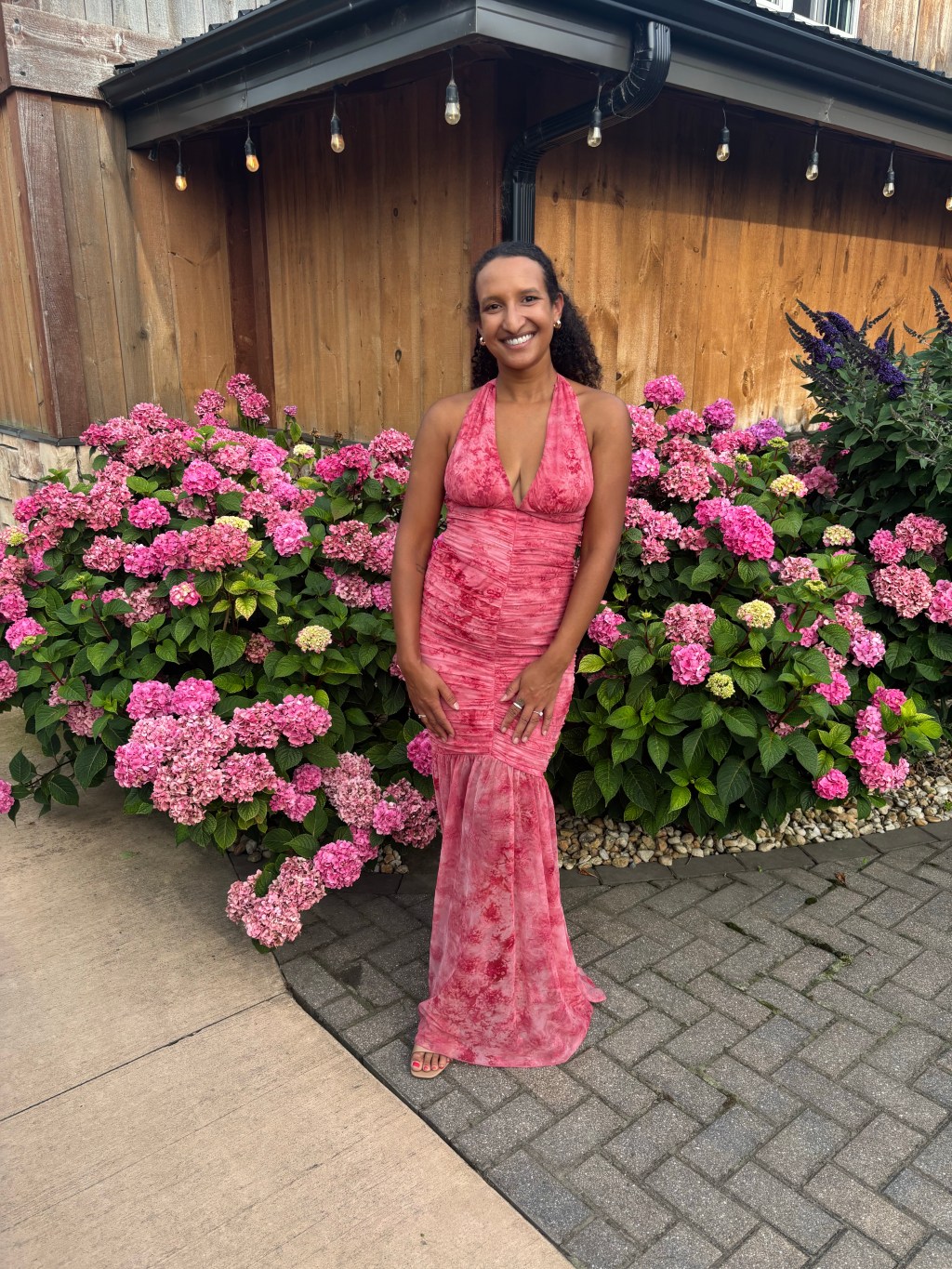
Wow, a lot has changed since the birth of my blog.
Conceived as an idea for a New Year’s resolution, Thoughts and Thank Yous was welcomed to the internet in 2016. I was 20, towards the end of my college career, and convinced my thoughts and musings were worth sharing with the world.
At the time, I thought I was building a blog. But what I was really building was an archive of becoming.
Ten years of posts have captured me in ways I might otherwise have forgotten, the internet quietly holding different versions of me. The college student trying to figure out how marine science and English degrees could coexist together. The aspiring writer chasing a byline. The graduate student, the traveler, the editor.
A daughter trying to go on without a mother, learning to live with loss while continuing to find reasons to be curious about the world.
The blog changed as I did. Some interests became careers, some things I’ve written have faded from memory, and others remained little corners of my life I returned to when I needed them.
Ten years of posts have captured me in ways I might otherwise have forgotten, the internet quietly holding different versions of me.
Maybe that’s why I’ve found myself returning to my small corner of the internet in new ways.
My newsletter, Drift + Detail, feels like a continuation of what I started 10 years ago, even if the shape of it looks a little different now.
As I look back on a decade of blogging and forward toward new projects, I find myself thinking about all the versions of me who have filled these pages—and the things that have stayed with me through each of them.

Birthing my byline
In 2016, I still only dreamed of having a real byline. The byline on my blog was a promising start, one I looked at it satisfyingly after publishing my first post (my grandma let me know it was lovely, but had grammar errors; funny how proofreading and editing is something I’d consider a strength now).
I had no clue what I was building, only that I needed somewhere to put my thoughts. So, I began writing about things I noticed and contemplated on a daily basis.
Looking back at those early posts, I sometimes cringe. I see a younger version of myself who wanted to be perceived a certain way: well-traveled, thoughtful, adventurous, happy.
I was learning how to present myself to the world, and like so many bloggers of that era, I borrowed from the influencer playbook. The curated photos, the carefully constructed captions, the little tricks to draw people in.
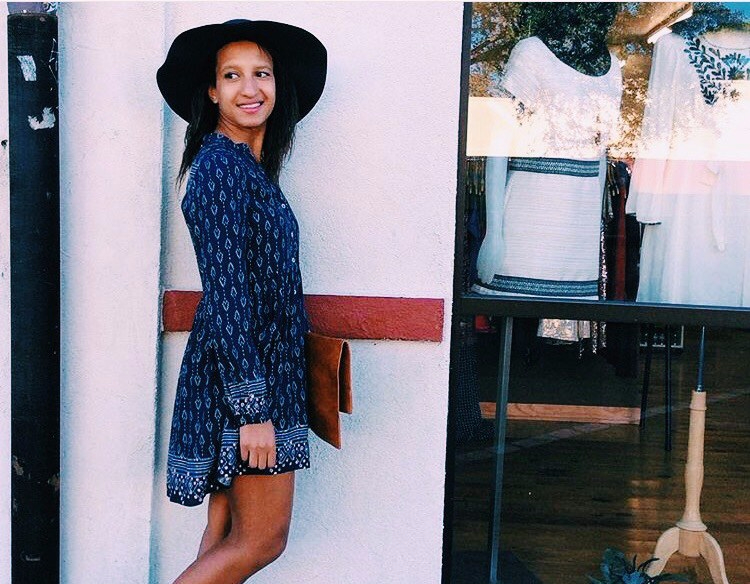
I thought if I could get people to look, maybe they would stay long enough to read what I had to say.
It was an earnest attempt to make my life look as put-together as I hoped it would feel. I was young and still figuring out who I wanted to be, and I sometimes confused becoming that person with convincing other people I already was.
I also wrote a lot about positivity. I wanted to think better, to leave negativity behind. Reading those posts now, I can see how easily that desire could slip into the expectation that every difficult feeling needed to be turned around, every setback reframed as a lesson. But I don’t want to dismiss that younger version of myself for it.
Her optimism wasn’t necessarily naive just because it was uncomplicated. Her instinct to look for the good and believe a little effort could make a day better is something I still carry with me.
I was young and still figuring out who I wanted to be, and I think I sometimes confused becoming that person with convincing other people I already was.
And every so often, I’d stumble across something I’d written that surprised me.
Beneath the polished presentation there were observations I still recognized as my own. Questions I was genuinely trying to work through. Ideas that had stayed with me long enough to become words on a page.
I wanted people to read my writing before I fully understood what I wanted that writing to do. But I was practicing. I was learning to pay attention and to put my thoughts into words.
The byline was small, but it was mine.
Where science meets story
I also had very little clue how my marine science and English undergraduate degrees would merge together. I only knew I was following my passions.
Unlike many drawn to marine science, my passion there wasn’t in megafauna—large animals like dolphins, whales, sharks. It was in the smaller creatures.
The quiet ones.
The spineless ones.
They weren’t enormous, though their brains were. They weren’t performing for crowds, yet their displays were incredible. They weren’t necessarily the first animals that came to mind when you thought of the ocean.
But they were strange, and clever, and endlessly curious. I was suckered in.
Right out of college, I landed an internship with the New England Aquarium (NEA) in their cold water gallery, home to a pair of giant Pacific octopuses.
From the very first time an octopus arm touched mine, my suspicion was confirmed. There really was something special about these animals.
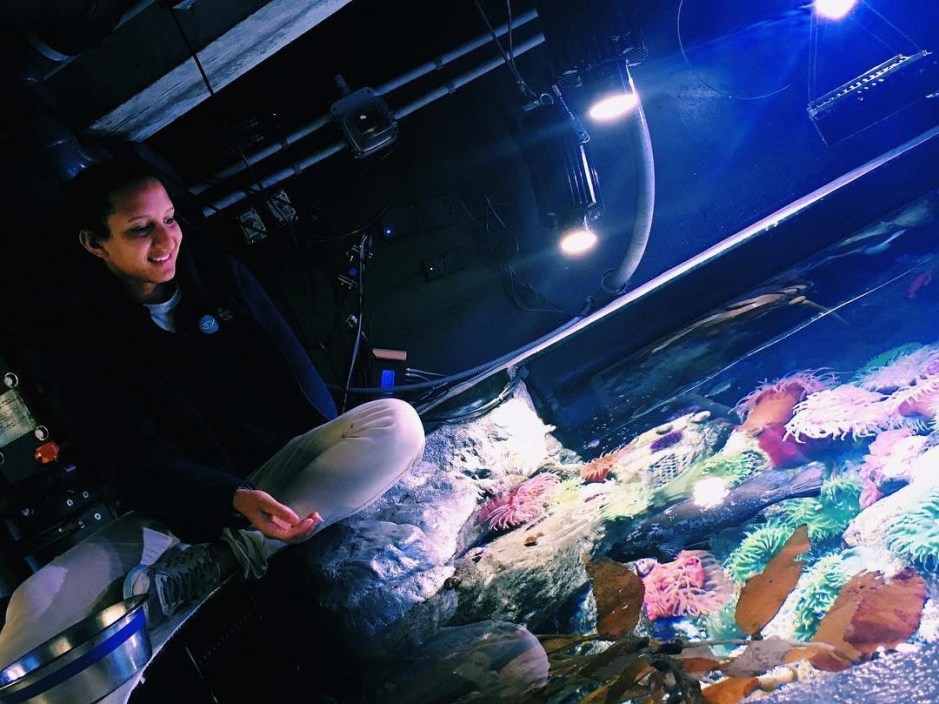
At the time, I was pursuing a career as an aquarist, but my time at the aquarium also reignited something else: my desire to write.
While at NEA, I met Sy Montgomery, author of Soul of an Octopus. While getting material for the book, she had spent time with the octopuses at the aquarium. She was beloved by the staff, with one of the octopuses even named after her.
Her writing explored the very thing that drew me to these animals in the first place: their intelligence, their individuality, their capacity to surprise us. Here was someone making science accessible without losing the wonder that made it worth exploring.
I began to see how storytelling could be another way of bringing people closer to the natural world.
I applied to Johns Hopkins University’s master’s program in science writing and was accepted. My path was beginning to take shape.
I began to see how storytelling could be another way of bringing people closer to the natural world.
During my graduate studies, I continued aquarist work with octopuses, squid, and cuttlefish at the Marine Biological Laboratory (MBL) while also meeting scientists whose work would be the topic of the stories written and published during my master’s program.
This was the springboard to my dream job: a writing position for the Smithsonian Institution’s ocean education platform, the Ocean Portal.
I felt like life was truly on track as I was finding my footing in my desired career path. My two passions were aligned. I was living and working in Washington D.C. at the Museum of Natural History while finishing my master’s thesis on the work of the scientists at MBL.
But the bubble popped, and the world came crashing down in an instant.
Finding my way back to the page
June 26, 2020, my mom passed away suddenly and entirely unexpectedly. She passed away at home, in my presence.
Losing my mom meant losing my role model, my best friend, and one of the biggest reasons behind my drive to write. With her loss, I truly lost myself.
I no longer had the desire to put pen to paper. I often found myself staring at blank notebook pages and empty Word documents. I began my master’s and my tenure with the Smithsonian full of gusto, but finished them numbly, moving through the motions of a life that had once felt so full of possibility.
After my thesis reading came the final part to finishing my master’s, the residency. It was set to begin just two days after my mom’s funeral. Thankfully, because of COVID, the residency had moved online. I couldn’t imagine having to show up in person, surrounded by people and expected to participate while I was still trying to understand a world without her in it.
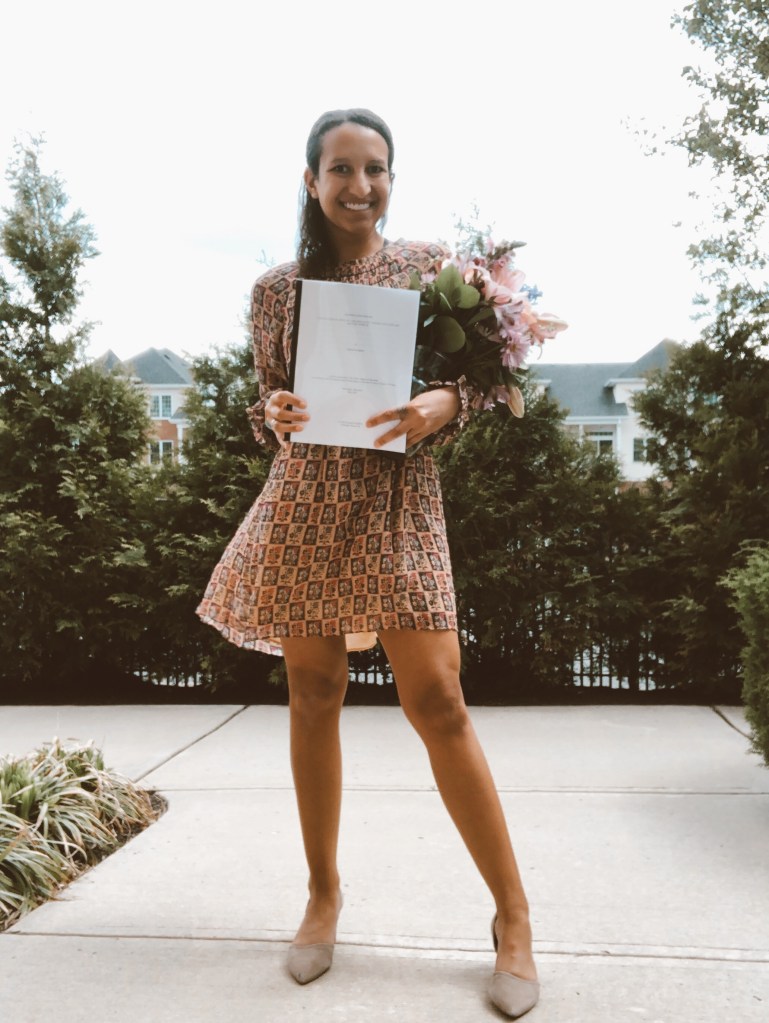
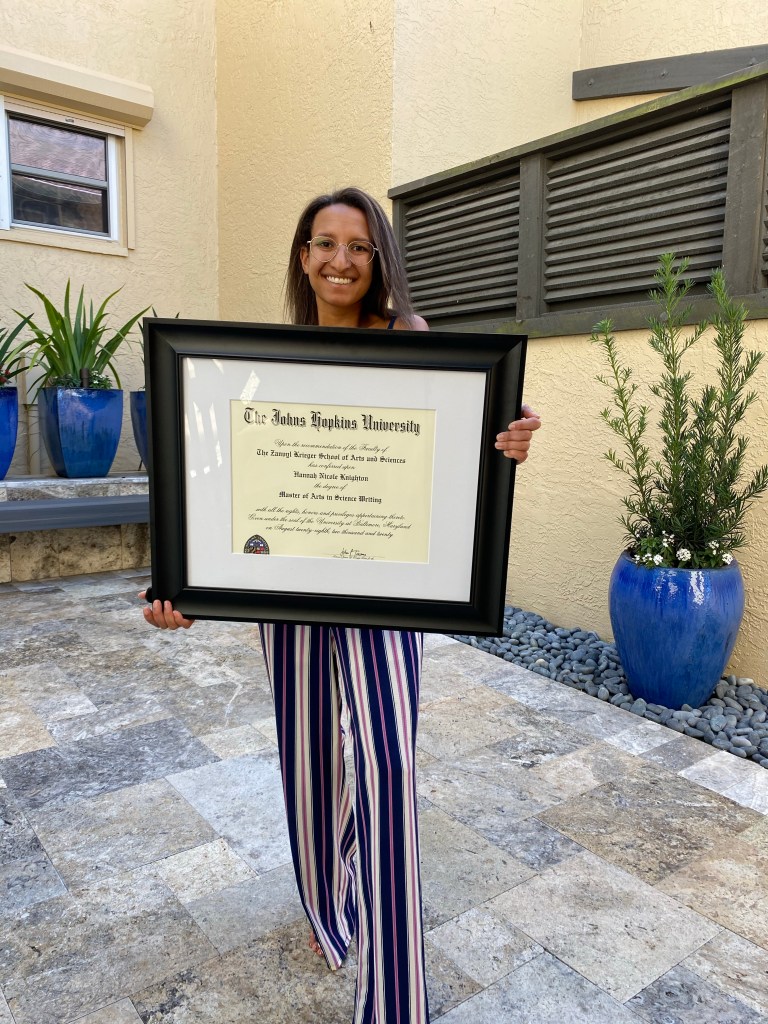
“This is what she would have wanted,” is the thought that carried me through my residency.
After residency, I knew I needed to ride the momentum of completing my master’s and tenure with the Smithsonian, so I kept going.
I revisited topics I had already reported on, hoping to minimize the research required. I pitched pieces I’d worked on during graduate school, desperate to keep writing without having to face the daunting task of starting something new.
In many ways it was a fight to write again. I was fighting with my own lack of motivation, the blank page, and the part of me that couldn’t imagine why any of it mattered anymore.
I was trying to return to the person I’d been before, to pick up where I’d left off, even though I wasn’t the same person who had started.
I was fighting with my own lack of motivation, the blank page, and the part of me that couldn’t imagine why any of it mattered anymore.
Not having the chance to say goodbye to my mother in person was deeply painful. I needed a way to say goodbye on my own terms. So I carried a small, red velvet drawstring bag of her ashes as I traveled to Puerto Rico, South Africa, Italy, and Greece to spread them.
Those trips gave me the space to grieve in ways I hadn’t yet been able to. With it came many reflections, including that my mom would never have wanted to see me give up on writing.
More than that, I began to recognize an intrinsic desire to turn pain into purpose; to make something out of the hurt and to share my grief journey with others.
I started to understand writing could be more than a career I’d worked toward or a way to prove myself. It could be a way of remembering. Of reaching other people who might recognize something of their own lives in mine.

As my relationship to writing shifted, so did my career. Johns Hopkins’ science writing program was beginning a publication and seeking alumni to be flagship editors and producers. And so I landed my first copy and research editor position with The Science Writer.
I was finding new ways to work with words even as my relationship with writing changed. I was still drawn to stories, to the natural world, to the details that made a subject worth exploring. But I was becoming less interested in presenting a particular version of myself and more interested in paying attention to what was actually there.
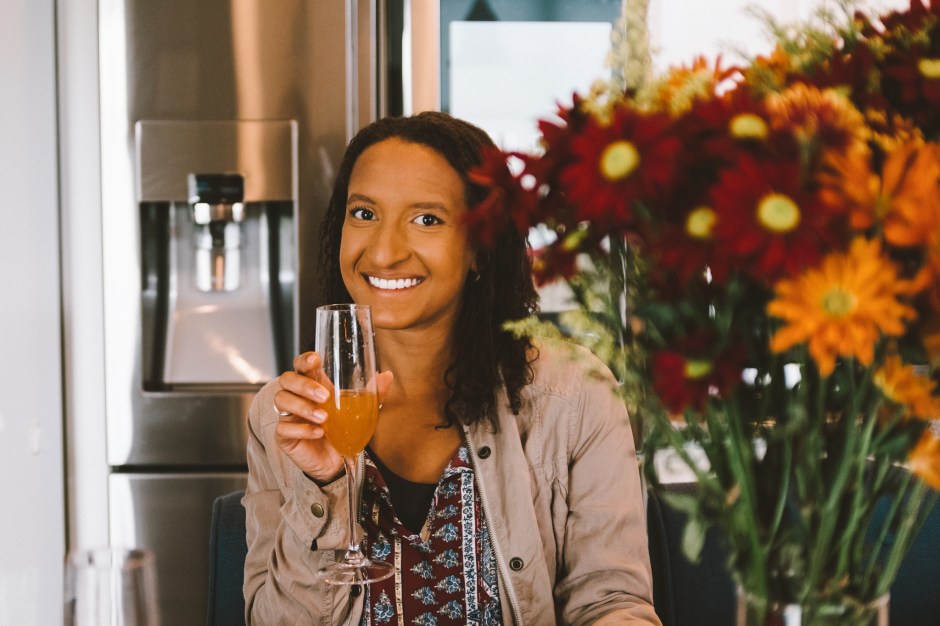
When I look back at my earlier posts, I sometimes recognize how much energy I spent trying to be seen a certain way. Loss changed my relationship with the idea of having it all figured out.
I became less interested in performing a life and more interested in experiencing one.
The smaller moments began to matter more: The details that might otherwise slip away, the memories that take on new meaning with time, the ordinary experiences that become extraordinary when you realize you want to hold on to them.
Writing became less about showing people who I was and more about preserving what I didn’t want to lose.
Perhaps that’s what I’d been trying to do all along, I just hadn’t understood it yet.
The things that stayed
For all the ways I’ve changed over the past 10 years, there are things I’ve always found myself returning to. The urge to look a little closer, to understand how things work and what makes people who they are. The desire to hold on to a moment before it slips into memory.
Those threads have followed me through life. From studying marine science and spending my days with octopuses, to writing about the scientists working to understand our oceans. From traveling to unfamiliar places to carrying my family’s stories with me. From learning how to live with loss to becoming a mother and discovering how much there is to notice in the ordinary rhythms of a life.
The subjects have changed, and so has the person writing about them. Today, I work as a copy editor, bringing others’ stories into focus, while continuing to write my own.
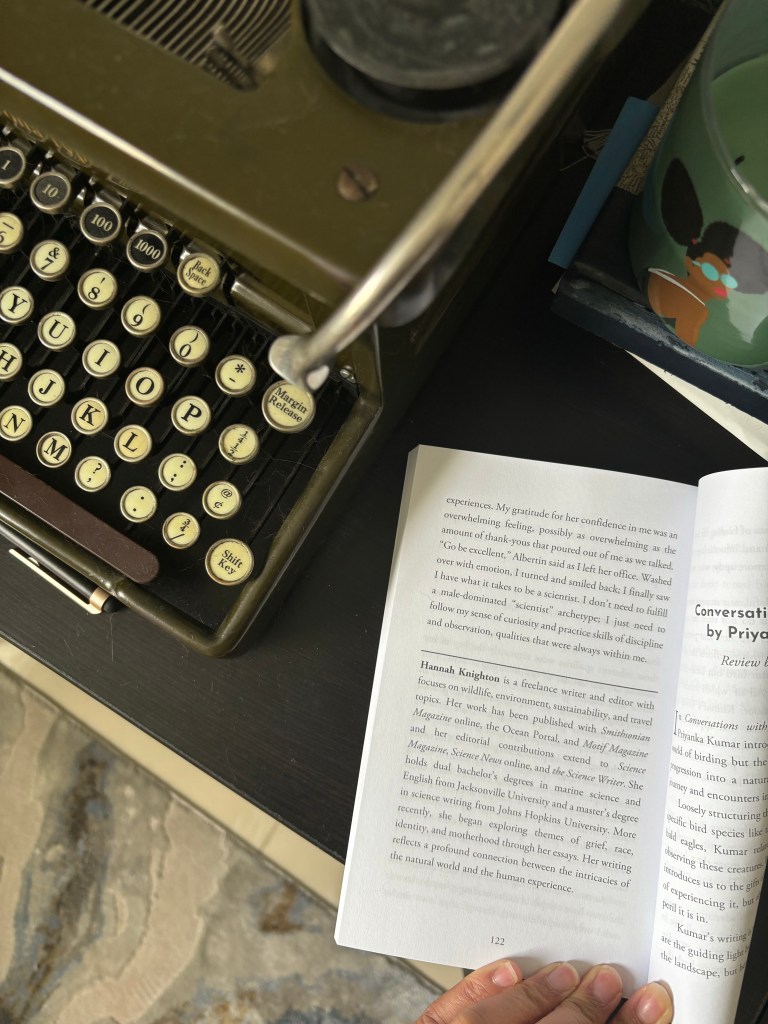
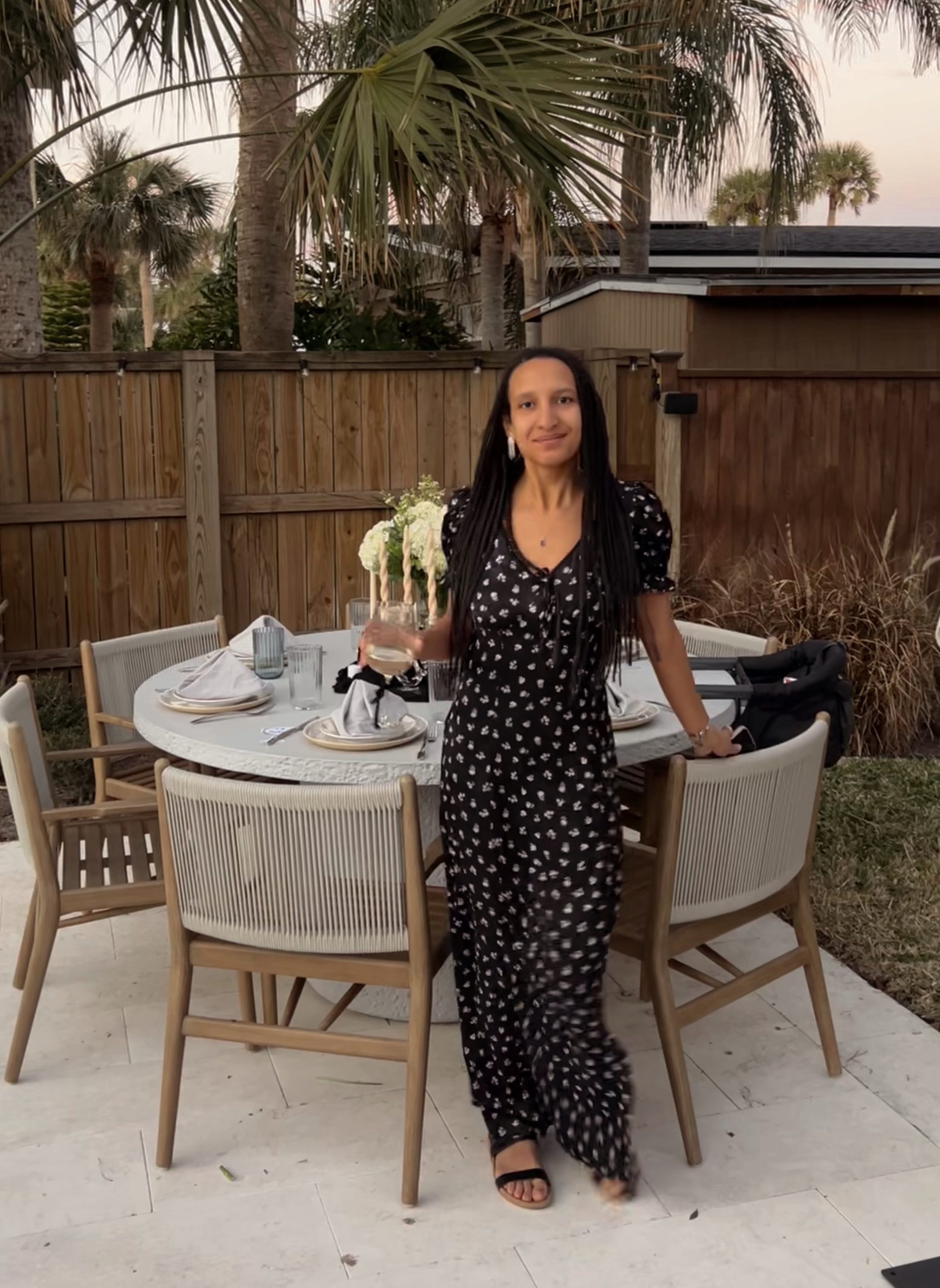

I’ve always been drawn to the details that make something worth paying attention to: the unexpected behavior of an animal, a conversation that stays with me, a place that changes how I see the world, a small moment with my family I know I’ll want to remember.
I think that’s part of what I’ve been trying to do all along. Make connections. Ask questions. Find the story in something that might otherwise go unnoticed. Drift + Detail is an extension of that practice.
The newsletter is not a rebrand.
It’s a continuation.
A return to slower storytelling, a place for things that don’t fit neatly elsewhere. A home for observations from the natural world, for travel and culture experiences that shape us, for grief and motherhood and memory.
I didn’t know it when I started a blog at 20, but I was beginning a practice I’d return to again and again: paying attention, making connections, and trying to find the words for what I wanted to hold on to.
Ten years later, I’ll continue following the tide wherever it leads.
In many ways, this anniversary is an homage to the people and experiences that brought me here. To my mom, whose presence I still find woven through so much of what I do. To the younger version of myself who thought her musings were worth sharing, even when she didn’t yet know what she wanted to say. And to all the little and big things that have shaped me into the writer I am today.
Ten years later, I’ll continue following the tide wherever it leads.

